
Landscape and Urban Design for improved urban microclimate
DOI:
https://doi.org/10.34900/lr.v21i2.1307Keywords:
Urban microclimate, outdoor thermal comfort, heat stress, urban comfort, built environment, climate-responsive designAbstract
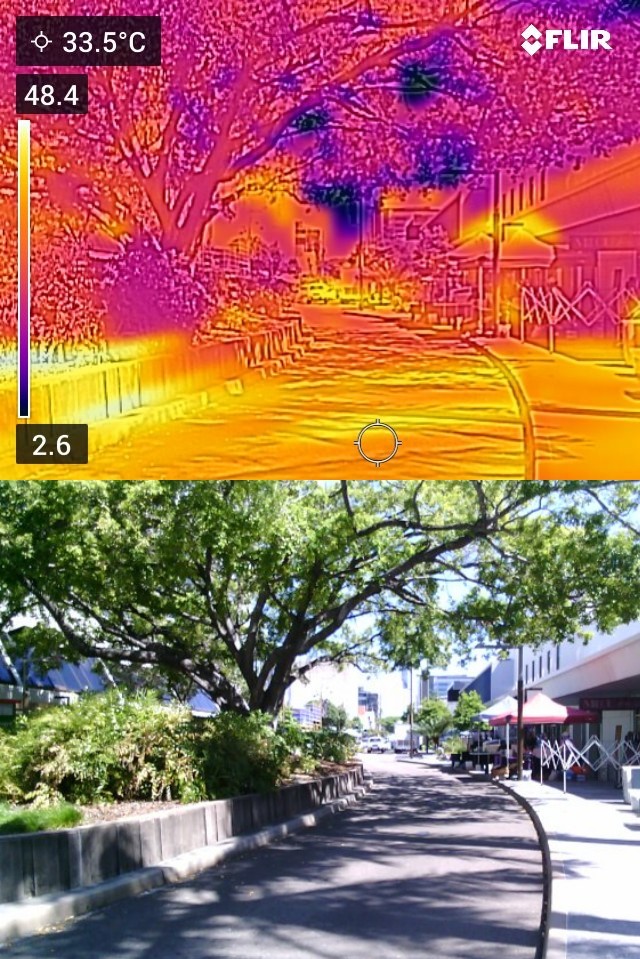
In this paper, we discuss the important role of landscape architecture and urban design in implementing urban heat mitigation strategies. We discuss how these professions relate to and are considered in studies focused on urban climate and outdoor thermal comfort. Strategies available through landscape architecture and urban design are closely associated with an improved urban thermal environment (Chu et al, 2024). Street orientation, building height and density, green cover ratio, building materials, and the shape and size of water bodies can mitigate urban heat by adjusting urban microclimate and reducing energy use (Abd Elraouf et al, 2022; Liu et al, 2022; Xu et al, 2019). In the context of climate change, it is therefore essential to properly design and plan the built environment for mitigating urban heat, and it is increasingly important to ensure effective communication between the science community and built environment professionals.
Downloads
Downloads
Published
How to Cite
Issue
Section
License
Copyright (c) 2025 Silvia Tavares, Jiawei Fu

This work is licensed under a Creative Commons Attribution 4.0 International License.
Authors who publish with this journal agree to the following terms:- Authors retain copyright and grant the journal right of first publication with the work simultaneously licensed under a Creative Commons Attribution License that allows others to share the work with an acknowledgement of the work's authorship and initial publication in this journal.
- Authors are able to enter into separate, additional contractual arrangements for the non-exclusive distribution of the journal's published version of the work (e.g., post it to an institutional repository or publish it in a book), with an acknowledgement of its initial publication in this journal.
- Authors are permitted and encouraged to post their work online (e.g., in institutional repositories or on their website) prior to and during the submission process, as it can lead to productive exchanges, as well as earlier and greater citation of published work (See The Effect of Open Access).