
Cooling strategies using thermal alliesthesia
a complementary approach to enhancing greenway walking comfort
DOI:
https://doi.org/10.34900/lr.v21i2.1306Keywords:
Urban greenways, Thermal comfort, Thermal alliesthesia, Greenway planning and design, Urban built-up areasAbstract
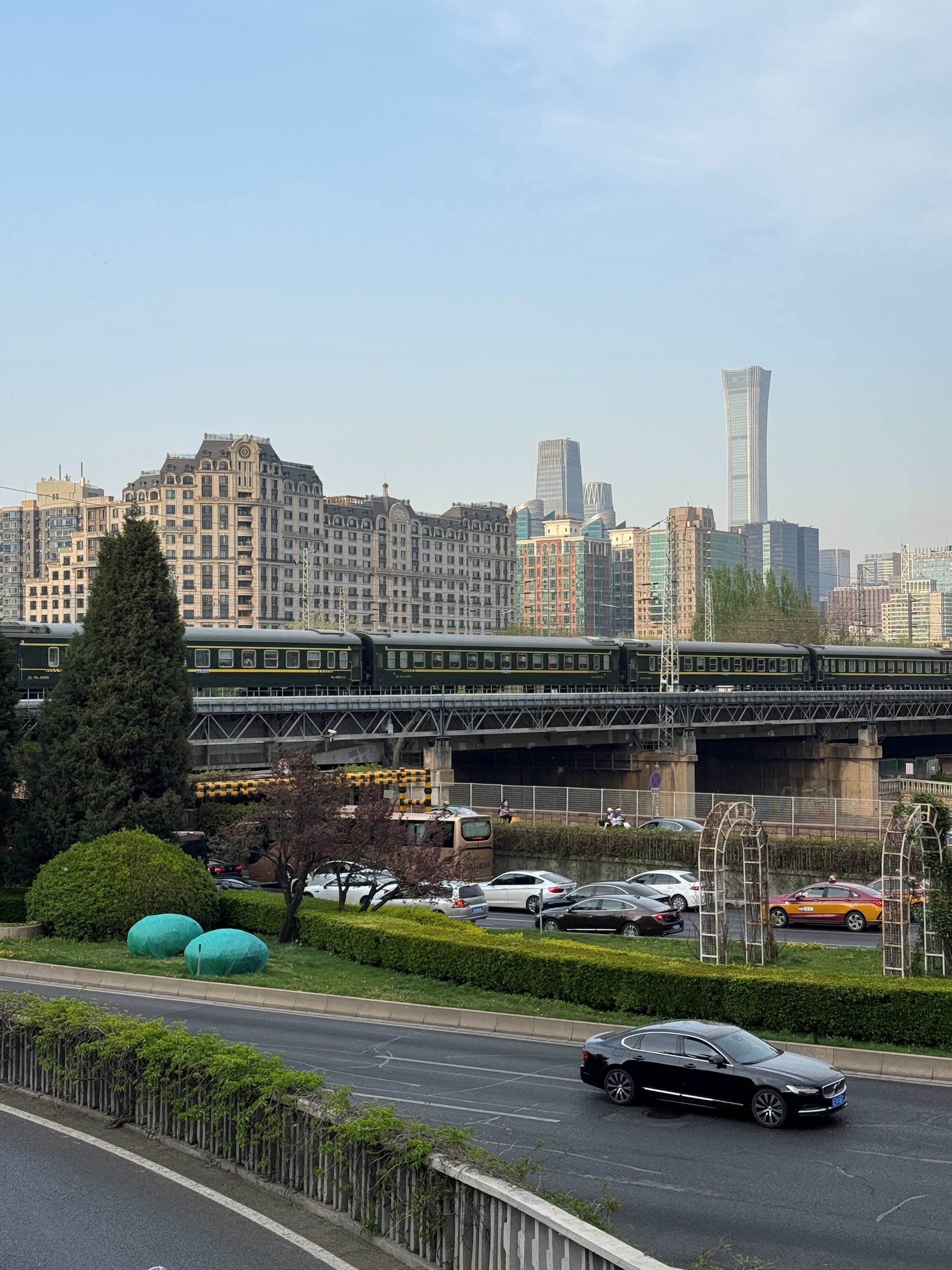
A favourable thermal environment along urban greenways supports public health and sustainability. In dense built-up areas, limited land availability makes it difficult to rely solely on high-quality green spaces for continuous greenway development. Planners are attempting to increase tree canopies along municipal roads, even under less than ideal conditions. The key challenge is how to improve thermal comfort for those walking along these road corridors. Combining a literature review and field investigation, this paper introduces thermal alliesthesia as a perspective that complements physical design. Existing strategies to improve thermal comfort in greenways focus on enhancing static environmental quality. In contrast, ‘thermal alliesthesia’ emphasises how changing subjective perception can shape thermal experience. The thermal alliesthesia effect can be triggered by variations in the physical environment. Taking Beijing’s Second Ring Road Greenway as a case study, this paper proposes route planning and landscape design for urban greenways as strategies to elicit this effect. It describes the detailed design of a representative section of the greenway to demonstrate how this concept can be applied. This approach is adaptable across climate zones, provided designers develop flexible, site-specific solutions. The findings offer practical insights for greenway planning and design in complex urban contexts.
Downloads
Downloads
Published
How to Cite
Issue
Section
License
Copyright (c) 2025 Yanhan Li, Liang Li, Wenqing Wang, Lanxi Yang, Gillian Lawson

This work is licensed under a Creative Commons Attribution 4.0 International License.
Authors who publish with this journal agree to the following terms:- Authors retain copyright and grant the journal right of first publication with the work simultaneously licensed under a Creative Commons Attribution License that allows others to share the work with an acknowledgement of the work's authorship and initial publication in this journal.
- Authors are able to enter into separate, additional contractual arrangements for the non-exclusive distribution of the journal's published version of the work (e.g., post it to an institutional repository or publish it in a book), with an acknowledgement of its initial publication in this journal.
- Authors are permitted and encouraged to post their work online (e.g., in institutional repositories or on their website) prior to and during the submission process, as it can lead to productive exchanges, as well as earlier and greater citation of published work (See The Effect of Open Access).